

29 septembre 2026
Uncovering the myths surrounding casino gambling
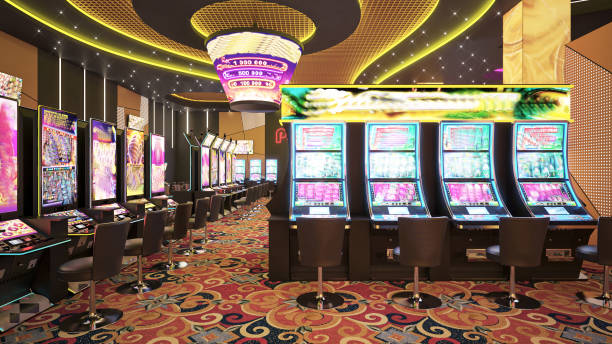
The Allure of the Casino Environment
The casino environment is often depicted as a glamorous and thrilling place, filled with bright lights, loud sounds, and an air of excitement. This imagery can create myths about the experience of gambling, suggesting that everyone who enters a casino finds themselves swept away by the thrill of chance. In reality, while many people enjoy the vibrant atmosphere, not everyone experiences the same allure, especially those who prefer online options like 1win where the experience can be more personalized and less chaotic.
Additionally, the portrayal of casinos in movies and television often glamorizes the interactions and wins, creating a false narrative that winning is the norm. This can lead to misconceptions about how often people actually walk away with their pockets fuller than when they entered. The truth is, while there are indeed fortunate individuals who strike it lucky, many players face losses. The seductive atmosphere can blur the lines between reality and fiction, fostering unrealistic expectations about gambling outcomes.
Moreover, the overwhelming visuals designed by casinos aim to keep players engaged and entertained. The strategic placement of games, the enticing promotions, and the celebratory atmosphere all contribute to a unique experience. However, it is crucial for players to remain aware of their spending and involvement in these settings. Understanding that these features are created to maximize player engagement can help disillusion the myths surrounding this captivating world of gaming.
The Myth of Gambling as a Sure Way to Wealth
One of the most pervasive myths surrounding casinos is the belief that gambling can lead to quick wealth. Many people enter casinos with the hope of making a fortune overnight, spurred on by stories of jackpot winners and tales of lucky bets. While it is true that some individuals have experienced life-changing wins, these instances are not representative of the general gambling experience. In fact, the odds of winning at many casino games are statistically stacked against the player.
Understanding the mathematical principles behind casino games offers insights into the likelihood of winning. For instance, games like slot machines and roulette have house edges that ensure the casino profits over time. This means that while players may win occasionally, ultimately, the house consistently wins in the long run. Many gamblers may not fully comprehend these odds, leading them to believe that luck is a significant factor rather than the statistical probabilities at play.
Additionally, the short-term nature of gambling often results in a rollercoaster of wins and losses, blurring the distinction between good fortune and gambling addiction. The thrill of winning a small amount can be addictive, prompting players to wager more in hopes of achieving larger wins. This cycle can mislead individuals into believing that they are destined to strike it rich, while in reality, the opposite may be true. Responsible gambling requires a critical understanding of these dynamics to dispel myths around wealth and gambling.
The Misunderstanding of Skill in Casino Games
Another common myth is that all casino games are purely luck-based and that skill has no bearing on the outcome. While it is true that many games, such as slot machines, rely predominantly on chance, others, like poker and blackjack, incorporate a significant element of skill. Players who dedicate time to learning strategies, understanding odds, and reading opponents can enhance their chances of winning. This differentiation is often overlooked by casual gamblers, leading to a perception that success is purely a result of luck.
For instance, poker is a game that not only requires knowledge of the game’s rules but also an ability to read opponents and make strategic decisions based on incomplete information. Skilled players can use this knowledge to their advantage, manipulating bets and reading the table to improve their likelihood of winning. However, this skill-based approach contrasts sharply with games of pure chance, such as the lottery or slots, where strategy has little impact on the outcome.
Moreover, believing that skill plays no part in casino games can lead to overconfidence in players. This myth can encourage individuals to engage in risky behavior, wagering large sums without a proper grasp of the game mechanics. As players misinterpret their understanding of skill and luck, they may end up losing more money than they anticipated, reinforcing misconceptions about gambling and its inherent risks. Awareness of the differences in games can guide players towards more informed decisions.
The Illusion of Control Over Outcomes
Many gamblers harbor the belief that they can somehow influence the outcomes of games through specific actions, rituals, or betting strategies. This notion feeds into the myth that there are surefire ways to win, such as betting more aggressively after a loss or using lucky charms. However, casinos operate on the principle of randomness, particularly in games governed by random number generators or shuffling systems. The belief that one can control outcomes can lead to misguided actions that ultimately result in greater losses.

This psychological phenomenon is often referred to as the « gambler’s fallacy, » where individuals believe that past events can influence future probabilities in games of chance. For example, a player might assume that a particular slot machine is « due » for a payout after a series of losses. These misconceptions stem from a misunderstanding of how probability works and can trap players in a cycle of irrational bets and emotional decision-making.
Furthermore, the influence of emotions cannot be underestimated in the gambling experience. Players who believe they can control their fate may become overly invested in wins or losses, leading to impulsive decisions and chasing losses. Recognizing the inherent unpredictability of games can help mitigate the urge to control outcomes. Responsible gambling practices encourage players to focus on the entertainment aspect rather than the illusion of control, promoting a healthier approach to gaming.
Understanding Responsible Gambling and Resources
As myths and misconceptions about gambling proliferate, understanding responsible gambling practices becomes essential for players. Responsible gambling refers to the ability to make informed and controlled decisions about wagering, ensuring it remains a form of entertainment rather than a harmful activity. This approach involves setting limits on spending, understanding personal triggers, and recognizing the signs of gambling addiction.
Resources are available to help individuals navigate their gambling experiences. Many casinos provide information about responsible gaming and offer support services for those who may be struggling with their gambling habits. Awareness of these resources is crucial for fostering a safe and enjoyable gambling environment. Seeking help is a sign of strength, and recognizing the myths surrounding gambling can empower individuals to make informed choices.
Moreover, the importance of education cannot be understated. Educating oneself about the realities of casino games, odds, and strategies can demystify the gambling experience and promote a healthier relationship with it. Knowledge helps dispel myths while equipping players with tools to manage their gambling activities responsibly. Understanding the landscape of gambling, combined with the available resources, plays a pivotal role in ensuring that the experience remains entertaining and safe.