


29 septembre 2026
Uncovering the psychology behind casino gambling
The Allure of Chance
The thrill of casino gambling is often rooted in the allure of chance and the unpredictability of outcomes. At the heart of every game lies a certain level of risk that entices players to engage. This attraction can be traced back to our innate desire for excitement and the possibility of a big win, which is often heightened by the ambiance of casinos. Bright lights, engaging sounds, and the overall energy of the environment create an immersive experience that keeps players coming back for more. Many also explore options like fast withdrawal casino uk real money to enhance their chances of winning big. The escape from reality that casinos provide makes the experience even more appealing.
Psychological studies suggest that humans have a natural tendency to gamble because it activates the brain’s reward system. When a player wins, even a small amount, the brain releases dopamine, a chemical associated with pleasure and reward. This surge of dopamine can create a sense of euphoria, encouraging players to continue gambling with the hope of repeating that thrilling experience. Over time, this can lead to a pattern where players chase their losses, believing that the next turn could yield a substantial payout. The cycle of winning and losing can create an addictive loop that is difficult to break.
Additionally, cognitive biases play a significant role in how individuals perceive their chances of winning. The « gambler’s fallacy, » for instance, leads many to believe that past outcomes can influence future results, leading them to make irrational betting decisions. This belief often reinforces the allure of gambling, as players rationalize their actions based on flawed reasoning, further entrenching them in the cycle of risk and reward. The psychological grip of these biases can make it challenging for players to step back and assess their gambling habits critically.
Emotional Factors in Gambling
Gambling is not just a game of chance; it is deeply intertwined with emotions. Many individuals turn to casinos as an escape from everyday stress and anxiety. The excitement and thrill of placing bets can provide a temporary reprieve from their daily lives, making them more susceptible to the emotional highs and lows associated with gambling. This emotional connection can create a powerful driving force that keeps players engaged, even when they are losing money. The rush of adrenaline and the anticipation of winning can overshadow the negative aspects of gambling.
Furthermore, players often experience a sense of community within casinos, as they share experiences and emotions with fellow gamblers. The social aspect of gambling can enhance the overall experience, allowing individuals to bond over shared challenges and victories. This phenomenon can create a sense of belonging, further pulling players into the gambling culture. The combination of these emotional factors can often mask the negative impacts of gambling, making it difficult for individuals to recognize when their habits are becoming unhealthy. Emotional connections can lead to a cycle where players feel compelled to return to the casino for both social interaction and escape.
Understanding these emotional dynamics is crucial for both players and those around them. By recognizing the emotional triggers that lead to gambling behaviors, individuals can better address their motivations and make more informed decisions. Additionally, the casino industry’s manipulation of these emotional triggers—such as offering free drinks or promoting loyalty clubs—can perpetuate gambling behaviors that may have adverse effects on players’ finances and mental health. Awareness of these tactics can empower players to make choices that prioritize their well-being.
The Role of Environment and Design
The physical layout and design of casinos significantly influence gambling behavior. Casinos are meticulously designed to optimize player engagement, often featuring a lack of windows and clocks to create a sense of timelessness. Without external cues to indicate time, players may lose track of how long they have been playing, leading to prolonged gambling sessions. The strategic placement of games and amenities also encourages players to explore and try different options, further immersing them in the casino experience. This design philosophy is intentional, crafted to maximize the amount of time individuals spend gambling.
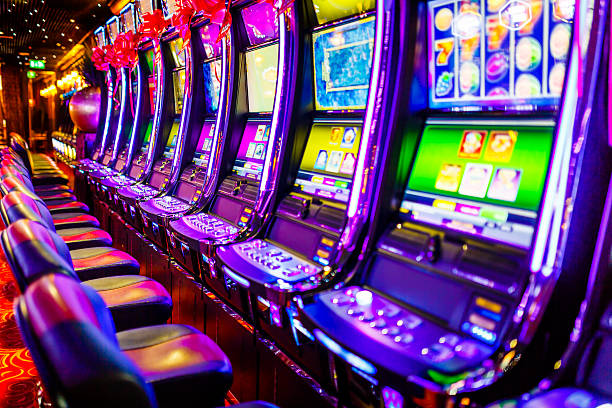
Additionally, the use of sound and lighting can heighten the excitement level. The sounds of coins clinking or bells ringing when someone wins create an auditory feedback loop that reinforces the thrill of gambling. This sensory experience can lead to increased betting and longer playtimes, as players want to replicate the joyous moments they’ve just experienced. The visual appeal of brightly colored slot machines and elaborate table setups further captivates players’ attention, making it challenging to step away. The design elements work in tandem to create an atmosphere that feels both exhilarating and immersive.
Moreover, casinos often utilize strategic marketing tactics to lure in customers. Promotions such as free spins, bonuses, and loyalty programs create an illusion of added value, encouraging players to gamble more. This manipulation of the environment and design not only enhances the gambling experience but also serves to maximize profits for the casino, highlighting how psychology is intricately woven into the fabric of casino operations. The combination of environment and psychological triggers can create an addictive atmosphere that keeps players returning for more, often against their better judgment.
Risk and Decision-Making Processes
The decision-making processes involved in gambling are fascinating, as they reveal how players weigh risks versus rewards. Many gamblers adopt various strategies based on their perceived odds of winning, often influenced by previous experiences and emotions. This decision-making is further complicated by the concepts of loss aversion and risk-seeking behavior, which can lead individuals to make choices that may not align with rational financial planning. The interplay between emotion and logic can heavily influence how individuals approach their gambling habits.
Loss aversion refers to the psychological phenomenon where individuals feel the pain of losing more acutely than the pleasure of winning. This can lead players to chase losses, compelling them to gamble more in hopes of recovering their previous bets. Understanding this mindset is essential; it highlights why some people may continue to gamble despite facing significant financial losses. The desire to avoid loss can overpower logical thinking, creating a precarious cycle that is hard to break. Players may find themselves trapped in a loop of chasing losses, often leading to more significant financial woes.
Players may also experience heightened emotions during high-stakes moments, leading to impulsive decision-making. This impulsivity can manifest as « gambling for the thrill, » where the excitement of taking risks overshadows the potential financial consequences. Awareness of these decision-making processes offers insights into how gamblers rationalize their behaviors, making it clear that understanding one’s mindset can be a crucial step in managing gambling habits effectively. Recognizing the emotional drivers behind decisions can empower players to make choices that are more aligned with their long-term well-being.
Responsible Gambling and Resources
As our understanding of the psychology behind casino gambling deepens, so does the importance of promoting responsible gambling practices. Recognizing the emotional and psychological factors that drive gambling behaviors can empower individuals to make more informed choices about their involvement in such activities. Casinos and gaming organizations are increasingly aware of their responsibility to provide resources and tools to help players gamble responsibly. This shift towards responsibility can foster a healthier gambling environment that prioritizes player well-being.
Awareness campaigns, self-exclusion programs, and educational materials are vital resources designed to inform players about the potential risks associated with gambling. These initiatives aim to foster a healthier relationship with gambling, encouraging individuals to set limits and recognize when it may be time to take a break. Support groups and counseling services are also available to assist those struggling with gambling addiction, offering a pathway to recovery. By providing these resources, the industry can help mitigate the negative impacts of gambling.
Ultimately, promoting responsible gambling practices not only protects players but also enhances the reputation of the gaming industry as a whole. With a comprehensive understanding of the psychological factors at play, both players and casinos can work collaboratively to create a safer and more enjoyable gaming environment, allowing for the thrill of gambling while minimizing harmful behaviors. By fostering a culture of responsibility, the industry can ensure that gambling remains a source of entertainment rather than a pathway to financial distress.